
DRONE INFRASTRUCTURE APPLICATIONSSmarter Aerial Infrastructure Service Solutions for Infrastructure
DRONE INFRASTRUCTURE APPLICATIONSHigh-Precision Structural Assessments
Advanced Infrastructure Service Solutions For Sri Lankan Infrastructure
DRONE INFRASTRUCTURE APPLICATIONSIndustrial Inspection Drones Ready For Deployment


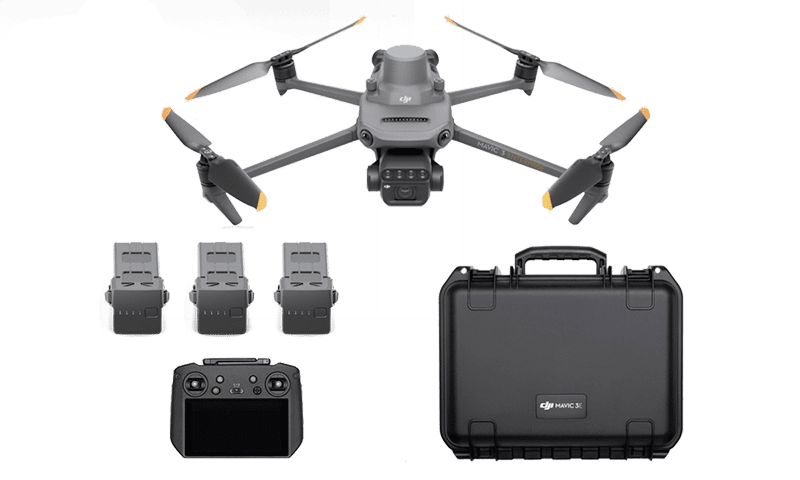

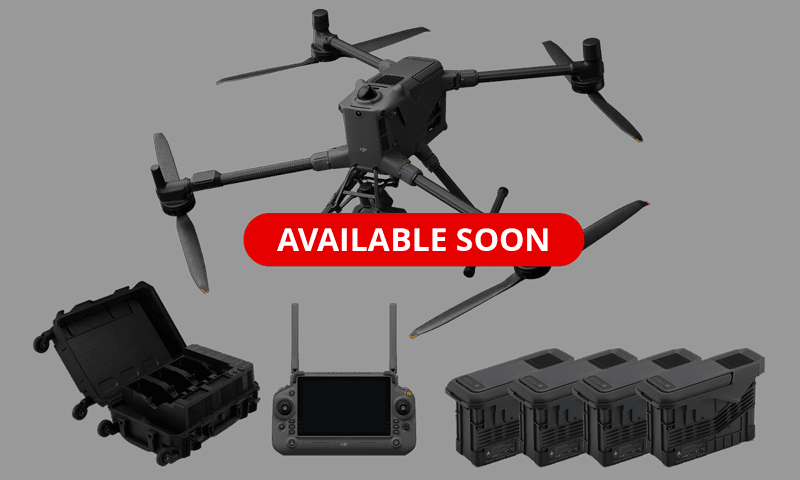

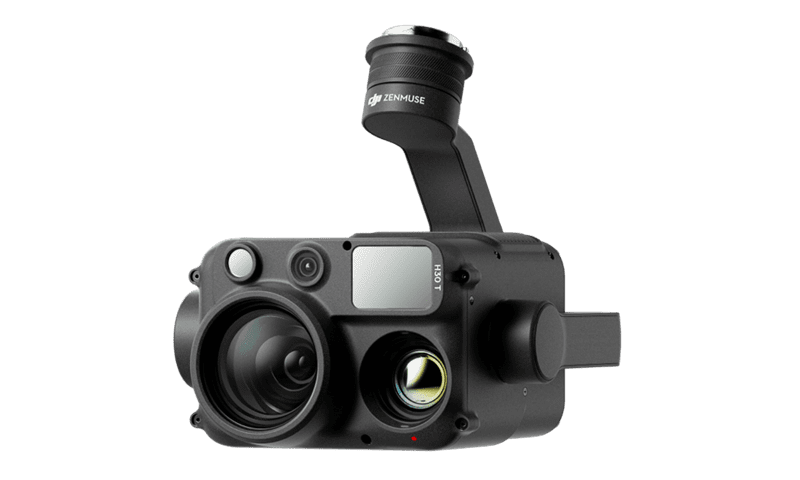


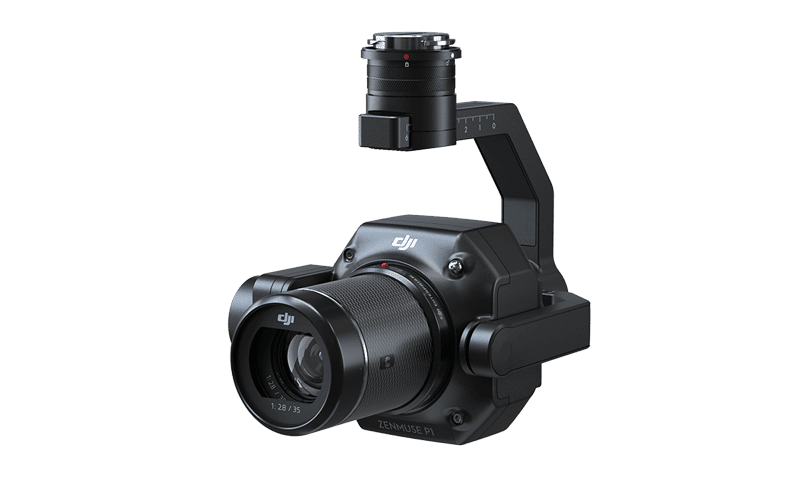
DRONE INFRASTRUCTURE APPLICATIONSPower Line & Utility Inspection
DRONE INFRASTRUCTURE APPLICATIONSTelecommunication Tower Inspection
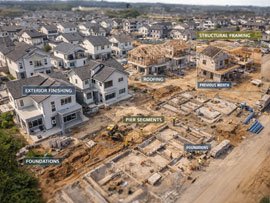
DRONE INFRASTRUCTURE APPLICATIONSBuilding & Construction Inspection
DRONE INFRASTRUCTURE APPLICATIONSBridge & Road Infrastructure Inspection
DRONE INFRASTRUCTURE APPLICATIONSSolar & Wind Farm Inspection
DRONE INFRASTRUCTURE APPLICATIONSOil & Gas Pipeline Inspection
DRONE INFRASTRUCTURE APPLICATIONSDam & Water Reservoir Inspection
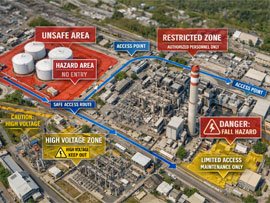
DRONE INFRASTRUCTURE APPLICATIONSIndustrial & Factory Inspection
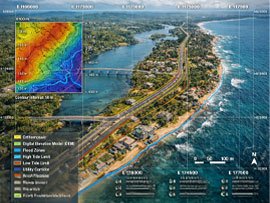
DRONE INFRASTRUCTURE APPLICATIONSCoastal & Port Infrastructure Inspection
DRONE INFRASTRUCTURE APPLICATIONSInfrastructure Drone Work Samples
DRONE INFRASTRUCTURE APPLICATIONSOur Final Deliverables
Drone Infrastructure Applications
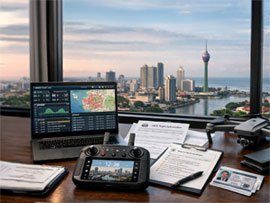
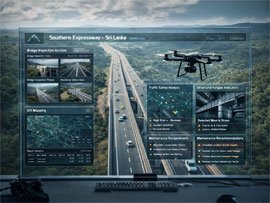
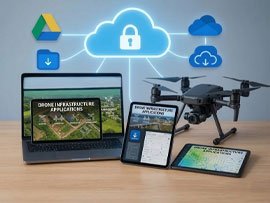
DRONE INFRASTRUCTURE APPLICATIONSSend Your Service Inquiry
FAQ's
We provide a wide range, including weddings, real estate, hotels & resorts, corporate events, tourism, social media content, construction documentation, environmental monitoring, and music videos.
Yes, our services are available islandwide in Sri Lanka and we also operate in the Maldives.
You can book through:
-
WhatsApp/Hotline: +94 777 712 030
-
Sales line: +94 777 186 500
-
Website inquiry form on AerialDrone.lk
Yes, a 50% advance payment plus any permit/approval fees is required to confirm a booking.
We recommend booking 10–15 working days in advance, especially for events or locations that require aviation permits.
Yes, we take care of all permits and Civil Aviation Authority approvals. However, certain sensitive areas may require special authorizations.
Not everywhere. Some locations are restricted zones such as airports, military areas, and certain archaeological sites. We’ll advise you during planning.
Our licensed pilot will decide. If unsafe, the flight may be postponed or rescheduled. Safety is always our priority.
No. All flights are conducted by our licensed professional operators for safety and compliance.
Yes! We provide live event broadcasting via drone for weddings, concerts, and corporate events.
You’ll receive high-resolution photos (JPEG/RAW) and videos (MP4/4K). Custom formats are available upon request.
Typically 5–10 working days, depending on the project size. Express editing is available at an extra charge.
Yes, raw files can be provided on request, but additional storage and transfer charges may apply.
Absolutely. We specialize in wedding preshoots, engagement days, and wedding day drone coverage.
Yes, we produce stunning aerial shots for property marketing, hotels, resorts, and restaurants.
Yes, we produce stunning aerial shots for property marketing, hotels, resorts, and restaurants.
Yes, but only after full payment. You’ll receive a royalty-free license for your agreed project. Reselling or sublicensing is not allowed.
We may use selected footage in our portfolio, website, or social media unless you request otherwise in writing.
Yes, we hold limited liability insurance for drone operations. For events, clients may need to arrange separate event insurance.
We accept bank transfers, card payments, and digital wallets.
-
Provide the exact location in advance.
-
Get property owner/venue permissions if required.
-
Inform us about special conditions (e.g., minors, sensitive areas, or no-film zones).
Frequently Asked Questions (FAQ)
These services use drones to inspect buildings, towers, bridges, factories, powerlines, and infrastructure. Drones capture detailed visuals safely, reducing risks and improving inspection efficiency for engineers and asset managers.
Yes, many sites require CAASL approval and property-owner permission. Some zones also need special authority clearance. We handle approvals, while customers pay required permission or location-based fees.
Yes, drones avoid dangerous climbs and risky structures. They collect detailed visuals from safe distances, protecting workers and reducing the chances of accidents during inspection tasks.
Yes, drones easily reach high areas. They provide close-up images of rooftops, antennas, and tower components without requiring scaffolding, ladders, or lifting equipment on-site.
Yes, strong winds and rain reduce stability and clarity. We fly only in safe weather to maintain inspection accuracy and protect both equipment and infrastructure surfaces.
Yes, drones capture thermal and visual images of solar panels. This helps identify defects, broken cells, shading issues, and alignment problems without touching or damaging the installation.
Yes, drones fly safely near power lines while maintaining required distances. They identify damage, vegetation risks, and connection issues without disrupting electrical operations or endangering staff.
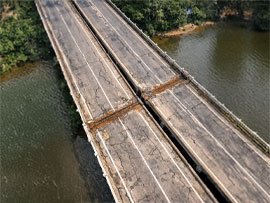
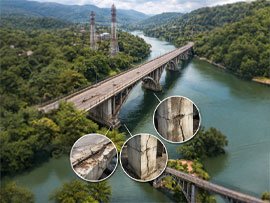
Yes, drones capture detailed visuals of beams, supports, cracks, and joints. This helps engineers identify early defects and plan maintenance more accurately for Sri Lankan bridge structures.
Frequency depends on asset type. Many properties schedule quarterly or annual drone inspections to detect structural issues early and maintain safer, more efficient operations.
Yes, drones use high-resolution cameras and stabilised sensors. This delivers clear, detailed visuals ideal for engineers needing accurate information about structural conditions and maintenance requirements.
Yes, in safe, open areas with enough clearance. We assess risks first, ensuring drones can capture required visuals without interfering with machinery or operational processes.
Yes, drones inspect antennas, cables, mounts, and tower surfaces without climbing. This reduces worker risk and speeds up inspection tasks for telecom operators needing frequent assessments.
Yes, drones capture close-up visuals of vents, ducts, AC units, and rooftop machinery. This helps maintenance teams identify issues without physically accessing elevated or dangerous areas.
Most surveys finish quickly because drones cover large structures efficiently. However, processing, reviewing visuals, and preparing detailed reports may require additional time for accuracy.
No, clients do not need to be present. We confirm inspection goals beforehand, conduct flights independently, and provide the processed visuals and reports after completion.
Yes, drones safely inspect high chimneys, identifying cracks, structural wear, or blockages. This eliminates risky climbs and speeds up industrial maintenance assessments.
Booking is simple. Contact us through WhatsApp, phone, or website. Share location details and goals. We arrange permissions, confirm fees, and schedule the inspection date.
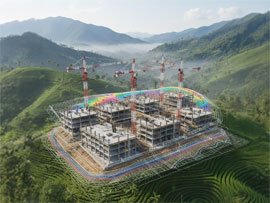
Yes, drones monitor progress, check quality, and track structural development. They provide regular updates that help project managers make informed decisions and identify issues early.
Yes, drones inspect ports, seawalls, and coastal buildings while maintaining safe distances from sensitive marine zones. Weather and wind are evaluated carefully before flights.
Yes, drones identify cracks, corrosion, loose fittings, and hidden defects. Early detection saves time and reduces long-term repair costs for infrastructure owners and engineers.
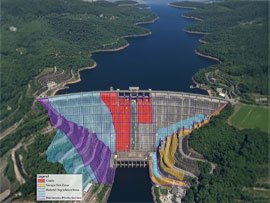
Yes, drones safely inspect dam walls, spillways, and surrounding areas. They offer clear visuals useful for safety checks, maintenance planning, and emergency assessment tasks.
Yes, drones monitor tracks, surrounding vegetation, and structural alignment. They help railway teams detect issues early without requiring frequent manual field visits.
Yes, drones provide aerial timelines, earthwork measurements, and visual updates of ongoing highway work. This supports planning, reporting, and faster identification of project challenges.
Yes, drones equipped with thermal sensors detect temperature changes, hotspots, insulation gaps, and electrical faults, helping engineers identify problems invisible to normal cameras.
Yes, drones inspect blades, joints, and turbine heads safely. They eliminate risky climbs and provide detailed visuals ideal for wind energy maintenance teams.
Yes, drones reduce labour, equipment, and downtime costs. They finish inspections quickly, improving efficiency and providing valuable insights without requiring expensive manual access solutions.
Yes, drones capture close-up images of walls, glass, cracks, and external fittings. This helps identify early maintenance needs and supports structural safety evaluations.
Drones provide high-clarity images and consistent angles. Although not a replacement for engineering tests, they offer reliable visual data supporting technical evaluations and planning.
No, drones operate at safe heights and avoid crowds. Flights are planned to reduce noise and ensure minimal disturbance in populated or sensitive areas.
Yes, drones check pipeline routes, leaks, corrosion, and surrounding conditions. Approvals may be required for sensitive zones, ensuring operations follow national safety regulations.
Night flights require special CAASL approval and proper lighting. We operate only when authorised and when safety conditions meet required standards for nighttime inspections.
Yes, drones analyse panel conditions, detect faults, and capture thermal images. They cover large rooftop solar arrays quickly without interrupting energy production.
Some drones can operate in tighter spaces, but safety is evaluated first. For extremely confined areas, alternative inspection methods may be recommended.
Yes, we operate across Sri Lanka, including urban, rural, coastal, and industrial regions. Permission requirements vary by location, and some areas require extra approvals.