DISASTER MANAGEMENT & RELIEF SERVICESRapid Aerial Response When It Matters
DISASTER MANAGEMENT & RELIEF SERVICESCritical Aerial Emergency Response
Rapid Support Solutions For Sri Lankan Communities
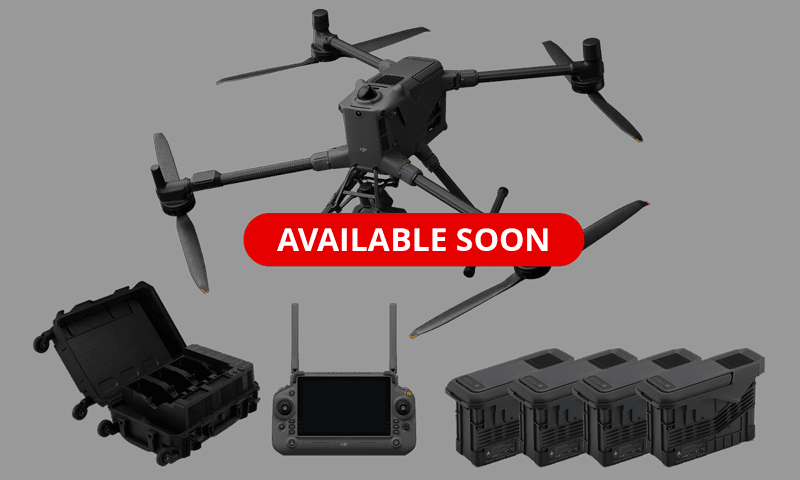
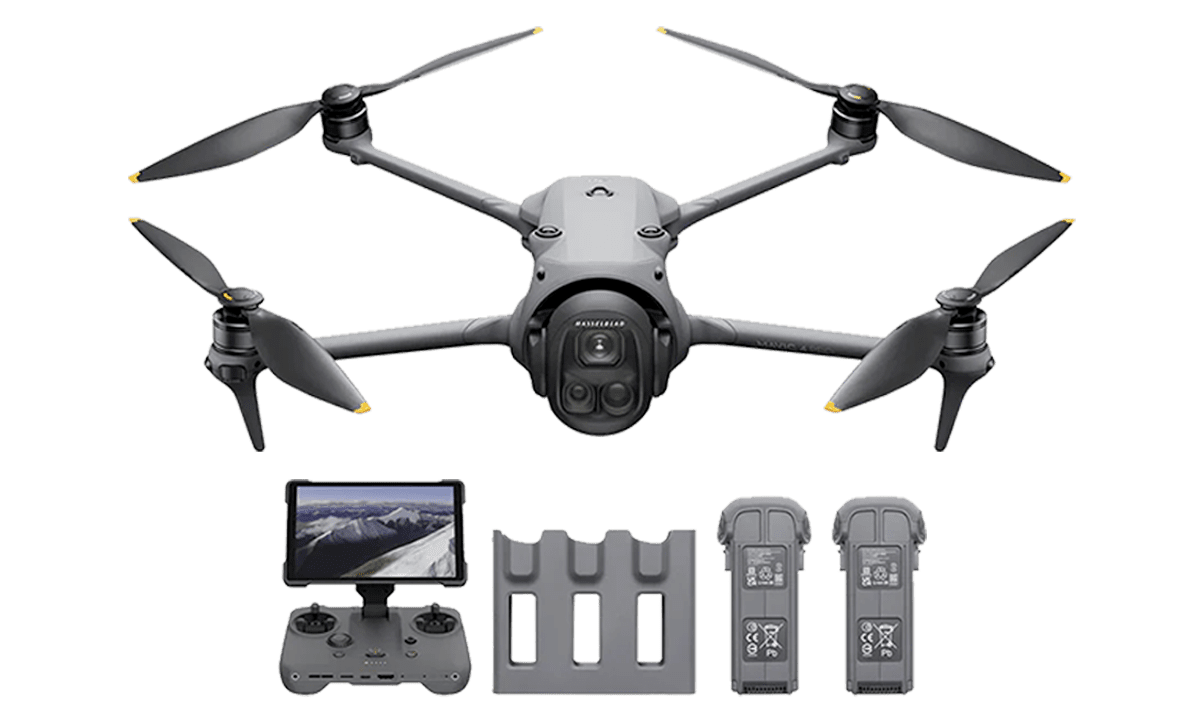
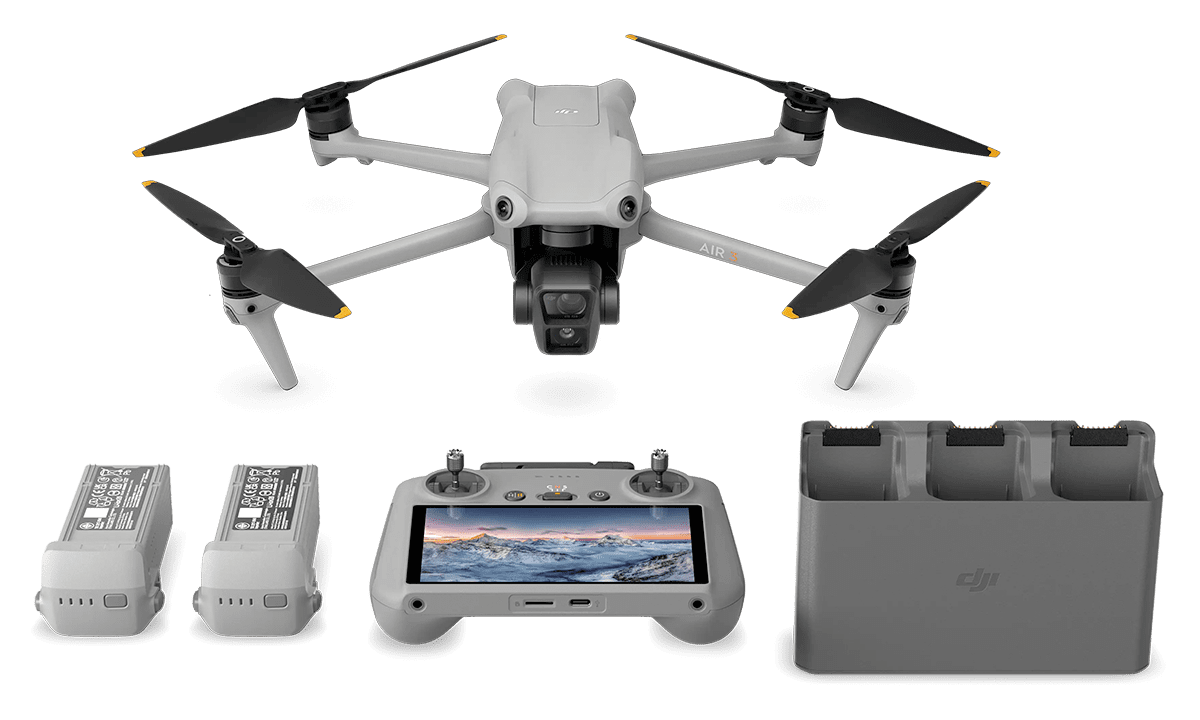
DISASTER MANAGEMENT & RELIEF SERVICESEmergency Response Drones Ready For Deployment




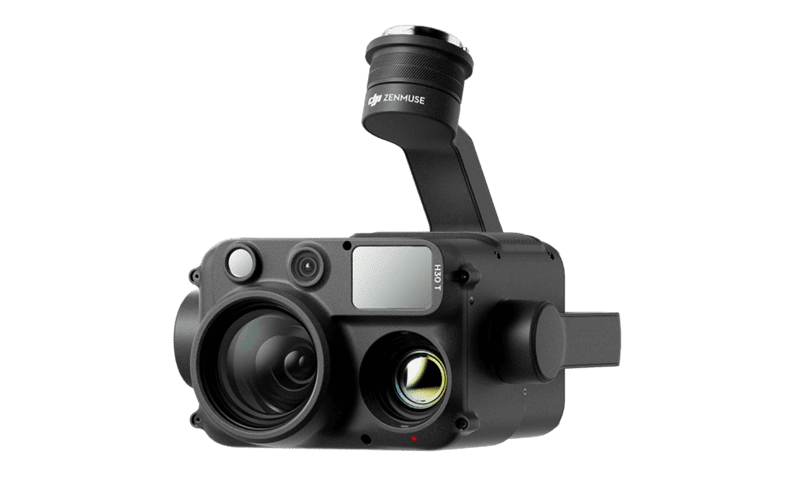

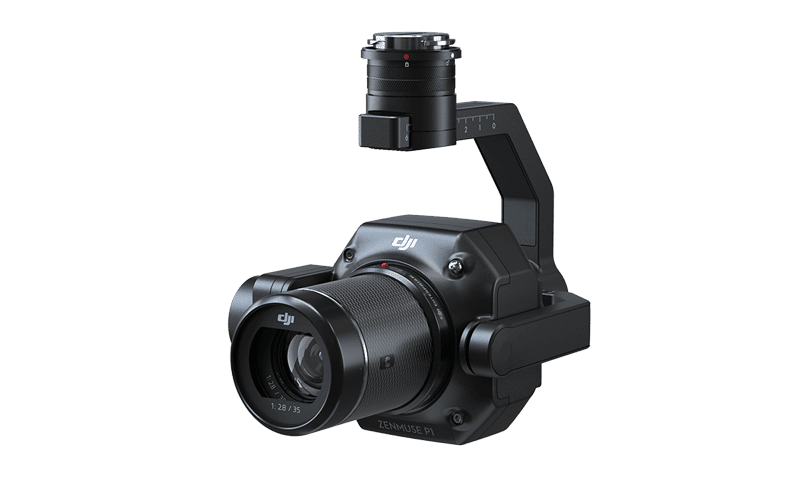


DISASTER MANAGEMENT & RELIEF SERVICESRapid Damage Assessment
DISASTER MANAGEMENT & RELIEF SERVICESSearch & Rescue Operations
DISASTER MANAGEMENT & RELIEF SERVICESEmergency Supply Delivery
DISASTER MANAGEMENT & RELIEF SERVICESFlood Mapping & Monitoring
DISASTER MANAGEMENT & RELIEF SERVICESLandslide Risk Assessment & Monitoring
DISASTER MANAGEMENT & RELIEF SERVICESFire Monitoring & Management
DISASTER MANAGEMENT & RELIEF SERVICESInfrastructure Inspection Post-Disaster
DISASTER MANAGEMENT & RELIEF SERVICESCoastal & Marine Disaster Response
DISASTER MANAGEMENT & RELIEF SERVICESEnvironmental Impact & Recovery Monitoring
DISASTER MANAGEMENT & RELIEF SERVICESOur Final Deliverables
Drone Disaster Management




DISASTER MANAGEMENT & RELIEF SERVICESSend Your Service Inquiry
FAQ's
We provide a wide range, including weddings, real estate, hotels & resorts, corporate events, tourism, social media content, construction documentation, environmental monitoring, and music videos.
Yes, our services are available islandwide in Sri Lanka and we also operate in the Maldives.
You can book through:
-
WhatsApp/Hotline: +94 777 712 030
-
Sales line: +94 777 186 500
-
Website inquiry form on AerialDrone.lk
Yes, a 50% advance payment plus any permit/approval fees is required to confirm a booking.
We recommend booking 10–15 working days in advance, especially for events or locations that require aviation permits.
Yes, we take care of all permits and Civil Aviation Authority approvals. However, certain sensitive areas may require special authorizations.
Not everywhere. Some locations are restricted zones such as airports, military areas, and certain archaeological sites. We’ll advise you during planning.
Our licensed pilot will decide. If unsafe, the flight may be postponed or rescheduled. Safety is always our priority.
No. All flights are conducted by our licensed professional operators for safety and compliance.
Yes! We provide live event broadcasting via drone for weddings, concerts, and corporate events.
You’ll receive high-resolution photos (JPEG/RAW) and videos (MP4/4K). Custom formats are available upon request.
Typically 5–10 working days, depending on the project size. Express editing is available at an extra charge.
Yes, raw files can be provided on request, but additional storage and transfer charges may apply.
Absolutely. We specialize in wedding preshoots, engagement days, and wedding day drone coverage.
Yes, we produce stunning aerial shots for property marketing, hotels, resorts, and restaurants.
Yes, we produce stunning aerial shots for property marketing, hotels, resorts, and restaurants.
Yes, but only after full payment. You’ll receive a royalty-free license for your agreed project. Reselling or sublicensing is not allowed.
We may use selected footage in our portfolio, website, or social media unless you request otherwise in writing.
Yes, we hold limited liability insurance for drone operations. For events, clients may need to arrange separate event insurance.
We accept bank transfers, card payments, and digital wallets.
-
Provide the exact location in advance.
-
Get property owner/venue permissions if required.
-
Inform us about special conditions (e.g., minors, sensitive areas, or no-film zones).
Frequently Asked Questions (FAQ)
Drones provide quick aerial assessments, locate affected areas, deliver essential supplies, and gather real-time data. This helps responders act faster and improves decision-making during emergencies in Sri Lanka.
Yes, drones capture high-quality images of damaged structures, flooded areas, and landslide zones. This information helps authorities understand impact levels and plan effective recovery operations much faster.
Yes, disaster zones may require CAASL and authority approvals. We handle the permission process, while clients cover any location-based fees needed for emergency drone operations.
Yes, drones scan large areas quickly, helping locate missing people using aerial visuals. Thermal sensors also assist nighttime or low-visibility search missions during emergency response efforts.
Drones reach affected zones quickly because they avoid traffic and rough terrain. This speed provides early situational awareness, allowing responders to act immediately and save lives.
Yes, drones map floodwater levels, identify unsafe zones, and track changes. This helps authorities plan evacuations, protect communities, and organise resource distribution during flood situations.
Yes, drones deliver medicine, documents, food, and small essential items to areas unreachable by vehicles. They are especially useful during landslides, floods, or blocked-road situations.
Reports are highly accurate, showing real-time conditions and elevation details. This helps planners understand risk zones, estimate damages, and assign rescue resources efficiently during emergencies.
Night operations require special CAASL permissions. With proper approval and lighting conditions, drones equipped with thermal or low-light cameras support nighttime search and assessment missions.
No, drones support teams by collecting fast aerial information. They reduce risk for workers but ground teams still perform close-up inspection, rescue actions, and detailed physical evaluations.
Drones identify cracks, soil shifts, and water accumulation. These visuals help authorities predict landslide risks early and take precautions to protect nearby communities and infrastructure.
Yes, drones help monitor fire spread, detect hotspots, and guide firefighting teams. Aerial views improve strategy decisions and reduce risk to ground personnel during wildfire operations.
No, we coordinate with authorities to avoid conflicts. Flights are conducted only after approval, ensuring drones never obstruct rescue helicopters or emergency air operations.
Yes, with proper permissions. Some areas require approvals from security forces, disaster authorities, or CAASL. We manage paperwork while clients cover special permission fees.
We maintain safe distances, avoid crowded areas, follow strict guidelines, and use trained pilots. Safety remains the highest priority during all disaster management drone operations.
Yes, drones safely inspect damaged structures without requiring workers to enter dangerous areas. They capture close-up visuals quickly, helping engineers plan immediate repair actions.
Yes, drones monitor storm surges, coastline damage, and erosion. They provide fast situational data, supporting authorities during cyclones, tsunamis, and maritime emergencies across coastal regions.
We process data fast using efficient workflows. Basic assessments can be delivered the same day, while detailed analysis may require extra time depending on project complexity.
Yes, drones help inspect telecom towers, damaged infrastructure, and cable lines. Aerial views assist technicians by confirming issues before physically accessing high-risk or unstable locations.
Yes, drones provide area mapping, locate isolated groups, guide relief teams, and deliver essential items. This coordination helps ensure aid reaches the right places quickly during crises.
Drones show water movement, blocked routes, and safe zones. These visuals help authorities design evacuation paths and warn communities before conditions worsen during emergencies.
Yes, drones can fly multiple missions daily with battery swaps. This ensures continuous monitoring and updated information throughout long disaster periods requiring frequent assessments.
Yes, with strict precautions. Pilots maintain safe distances and follow CAASL guidelines, ensuring inspections near electrical infrastructure are safe during disaster assessments.
Drones capture high-angle views showing unstable ground, flooded paths, and collapsed structures. These visuals guide responders, keeping them away from unsafe or risky areas.
Yes, drones help track vegetation recovery, soil changes, and water contamination. This information supports long-term recovery planning and environmental rehabilitation after major disasters.
Yes, drones access hazardous areas so workers don’t need to enter. This improves safety by reducing exposure to unstable structures, deep water, or contaminated zones.
Yes, drones assess spill spread without exposing humans to harmful substances. They provide fast visuals to guide cleanup teams and support environmental protection measures.
Drones inspect bridges, roads, dams, and buildings safely. They capture detailed images that help engineers evaluate stability and prioritise urgent repairs after disaster events.
We respond quickly depending on weather and permissions. Our team prepares equipment rapidly to support authorities, rescue teams, organisations, and affected communities needing fast assessments.
Yes, drones can drop notes or audio devices to communicate with stranded individuals when phone lines fail or physical access becomes impossible due to blocked routes.
ABOUT US
PAGES
CUSTOMER